
The Tomato’s Journey, Through Time and Taste
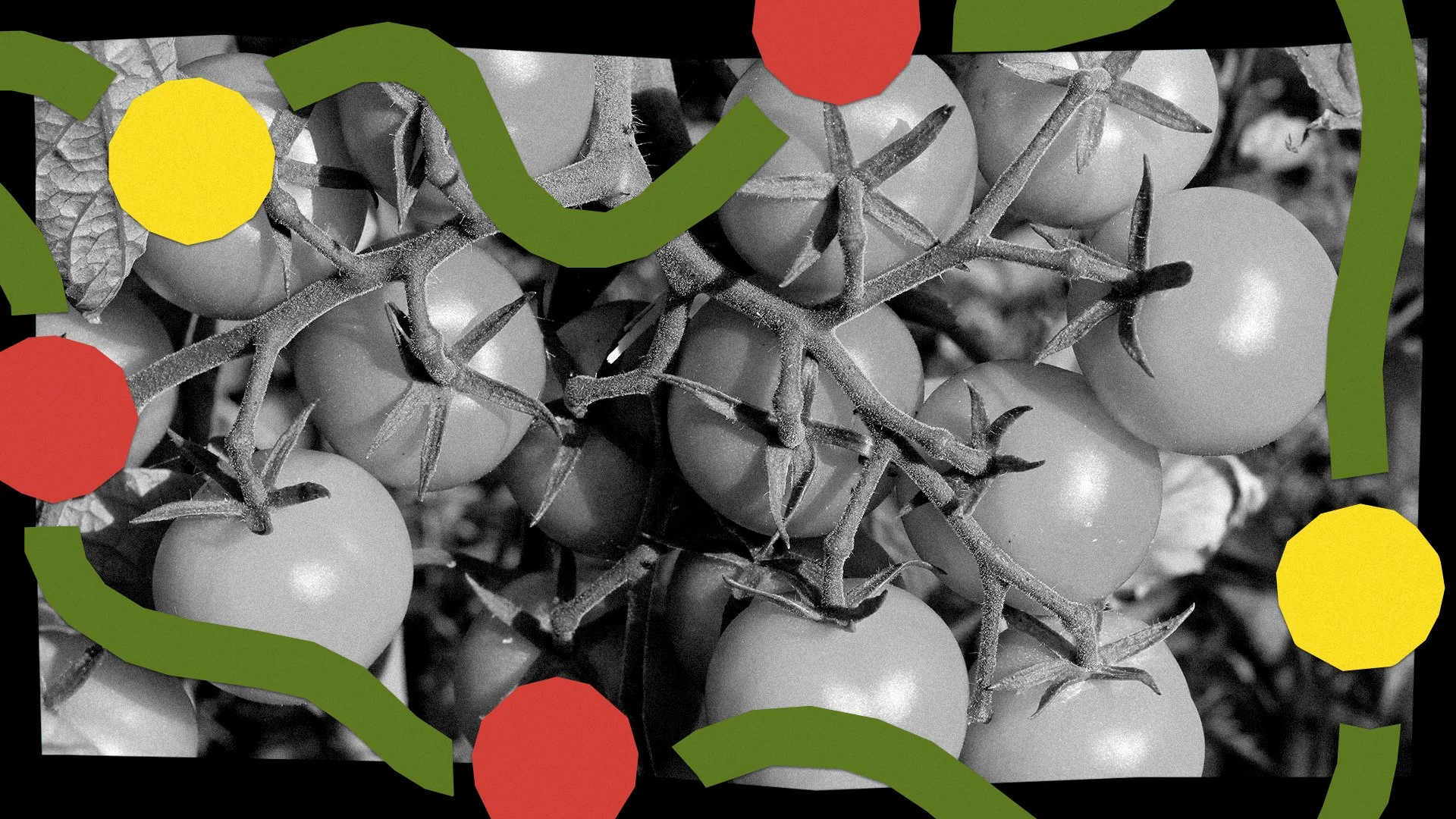
Photo Illustration: Humanizing History Visuals. Photo: Frank Vincentz, CC BY-SA 3.0, via Wikimedia Commons
Welcome to Humanizing History™! Every month, we feature a central theme. Each week, we dive into different areas of focus.
This month’s theme: Origins of Food, Our Shared Human Story
This week’s focus: Historical Literacy, or helpful frameworks to expand how we approach history and identity
Today’s edition of Humanizing History™ is about 1,000 words, an estimated 3½-minute read.
The Why for This Week’s Topic
This month, we’re examining the layered histories of common foods around the world, and the origin stories behind them.
This week, we begin with the tomato — a fruit (botanically, it’s a fruit, though some may also refer to it as a vegetable) that has become an essential ingredient in many cuisines around the world, from Italy to India.
But did you know that the tomato’s story starts thousands of miles away in the Americas?
The tomato is more than a familiar fruit; it’s a globally significant crop that nourishes millions, supports farmers, drives economies, and may even hold keys to feeding humanity in the face of climate change.
It reminds us that what feels “traditional” is often the result of centuries of migration, exchange, labor, and care.
The tomato’s journey encompasses stories of colonization and forced labor, but we can rehumanize it by tracing the hands that carried seeds, nurtured vines, and transformed flavors — from Indigenous farmers in the Americas to cooks experimenting in kitchens across continents.
This week, we’ll ask:
How do ingredients travel the globe and become part of a culture far from their origins?
Whose hands and knowledge made this journey possible?
What happens when we consider the “origins” of familiar foods and dishes?
The Tomato as a Global Staple
Today, the tomato is a culinary fixture worldwide. When many think of quintessential cuisine — for countries across the world like Italy or India — the tomato is often at the heart of the plate.
Imagine the tangy richness of spaghetti bolognese, or the spiced layers of tikka masala. Now imagine them without tomatoes.
It’s hard to conceptualize these dishes without the vibrant acidic elements of tomatoes — and while, the cuisines of Italy, India, and countless other countries had long, rich culinary traditions, the arrival of the tomato had a big impact.
But in the scheme of history, this influence was fairly new. In fact, it wasn’t until the 17th century that the first known recipe using tomatoes appeared in a cookbook from Naples, Italy.
Now, the tomato appears as a central feature in dishes across the world:
As shashsuka, or poached eggs in a fragrant tomato sauce in Tunisia
As a red stew of blended tomatoes, peppers, onions, and spice in Nigeria
As a refreshing spoonful of gazpacho in Spain
Try imaging these dishes without tomatoes — the flavor, the color, the texture all radically altered. How did the tomato become a global, culinary icon.
Early Seeds of the Tomato
The tomato likely began as a small, wild fruit in the Andes Mountains of South America, in present-day Peru and Ecuador.
Archaeological and genetic research suggest that tomatoes first appeared as blueberry-sized, weed-like fruits around 80,000 years ago, long before human cultivation.
Over time, Indigenous peoples in South and Central America began to cultivate and selectively breed these plants, perhaps around 7,000 years ago — producing larger, juicer varieties we may better recognize today.
Imagine the hands that tended these early forms: planting seeds, pulling weeds, tending soil, harvesting ripe fruit. These were not just agricultural acts, they were intimate, regular, scientific interactions with a living organism that would eventually touch kitchens across the world.
Today, we might think of tomatoes in spaghetti sauce, tikka masala, or stews, but centuries ago, they were unknown beyond the Americas. And this small, round fruit would evolve to become one of the most influential and popular crops in world cuisine.
The Tomato, Passing Hands
After 1492, through the hands of European colonizers, the tomato traversed the Atlantic, likely first entering Spain, where it was then introduced to other countries.
At first, it was met with skepticism as some feared the fruit was poisonous. In fact, some European experiments with tomatoes caused lead poisoning when acidic tomatoes were served on pewter plates that were “high in lead content!”
Gradually, though, cooks and farmers continued to experiment, and the tomato found its place in sauces, soups, and stews. Italian cooks in particular embraced it — creating iconic dishes with marinara for instance, shaping an entire culinary tradition around it.
But the tomato’s journey didn’t stop in Italy. It made its way through Europe, into Asia, Africa, and beyond, becoming essential in curries, chutneys, stir-fries, and stews across the world.
At every step, countless hands shaped their journey, each transforming the tomato into something new, making an indelible impact on global cuisine.
A Taste of the Past and Future
The story of the tomato reminds us that cuisine — like culture — is not static. It evolves through exchange, adaptation, and a collective human effort.
Often, the hands behind the food remain unnamed, but their impact literally lives on — in our kitchens, our identities, and in our very bodies.
In many ways, we are what we eat. Tomatoes remind us of this, as they’re more than just ingredients in a recipe; they’re carriers of history, migration, innovation.
Each tomato on your plate — from Roma, to cherry, to heirloom varieties — carries a story of evolution, and centuries of movement, labor, and knowledge. Each tomato, an invitation to reflect on the historical moments, some dating back millennia, that shape the food we eat today.
Beyond their taste, tomatoes holds lessons for the future:
Thousands of heirloom varieties show the diversity and adaptability of this fruit.
With climate change concerns, scientists are examining how to develop different tomato strains, including those with “high water use efficiency” and “heat tolerance” to see which ones survive, or thrive, in extreme climate environments.
So, next time you chop, roast, or savor a tomato, pause to think: which hands, lands, and stories brought it to your table?
How has history shaped our foods, our cultural identities, our sense of self, our near future?
Theme: