
Why Humans Mark Endings
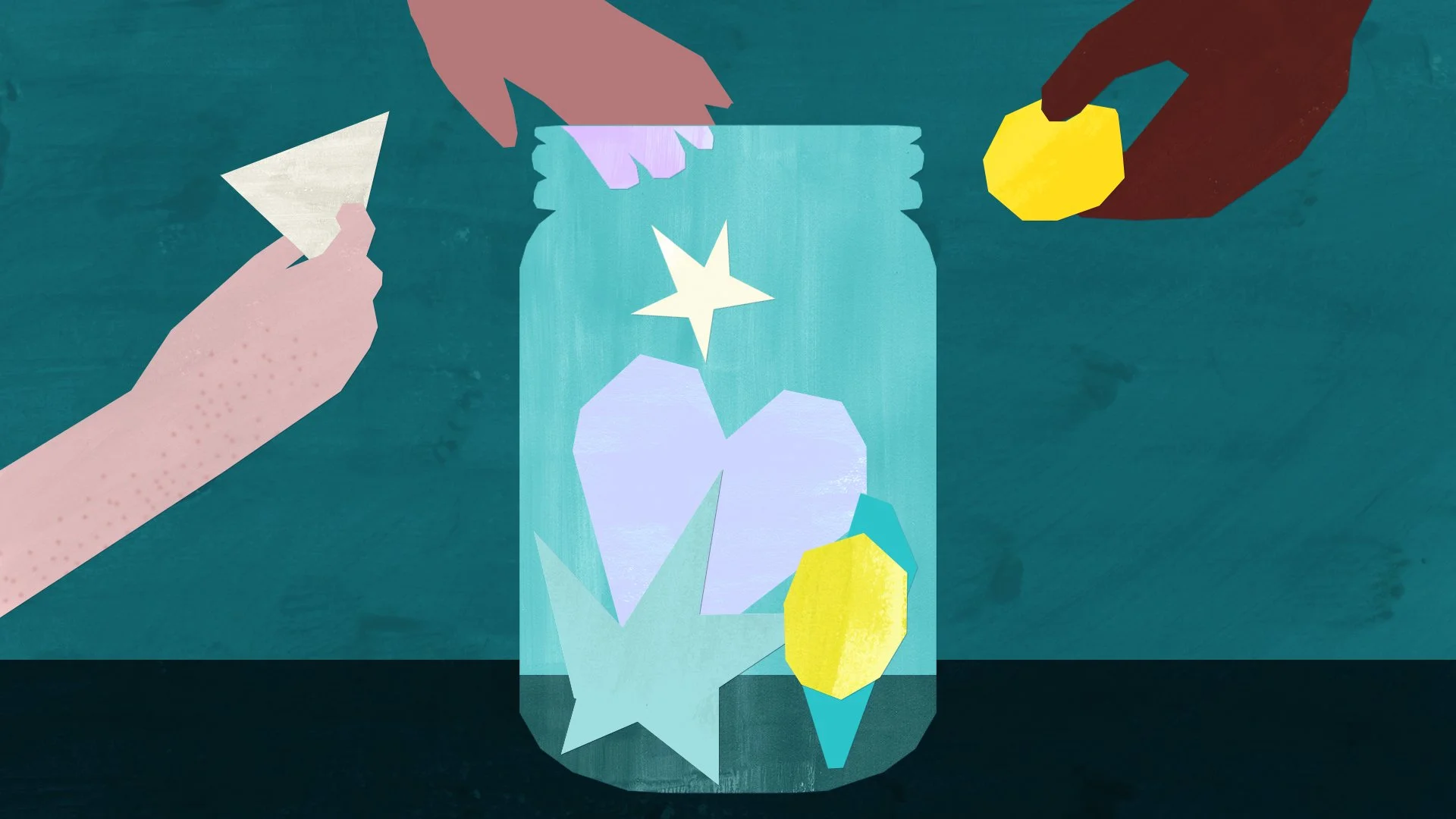
Illustration: Humanizing History Visuals.
Welcome to Humanizing History™! Every month, we feature a central theme. Each week, we dive into different areas of focus.
This month’s theme: Rituals and Routines for Times of Transition
This week’s focus: “How to,” recommendations on how to expand what we teach and/or discuss with young people
Today’s edition of Humanizing History™ is about 1,000 words, an estimated 3½-minute read.
The Why for This Week’s Topic
We’re in June.
For many educators — though not all — around the world, this month is a time of endings. A time of closure. A doorway into what is hopefully a period of rest, reflection, or reset.
For families and students, it’s often a season of transition as well. Schedules shift. Rhythms change. One chapter closes while another waits just around the corner.
But before the bulletin boards come down, and the cubbies or lockers are emptied, there are graduations. Yearbook signings. Award ceremonies. Luncheons and celebrations.
Which raises a question: Why do humans pause at moments of transition? For many of us, why don’t we simply move from one chapter of life to the next?
Marking the Threshold
Across time and place, people have developed ways of marking life’s transitions.
While traditions vary, many communities create special moments around milestones such as entering adulthood, marriage, parenthood, graduation, and the passing of life. Anthropologists often refer to many of these events as rites of passage — rituals that help people move from one stage of life to another.
These traditions take many forms: a quinceañera, a bat or bar mitzvah, a graduation ceremony, a retirement celebration, Walkabouts, Vision quests, and other community practices that mark movement from one stage of life to another.
Though these moments may differ across cultures, regions, and time, they often reflect a similar human impulse: to pause and acknowledge change with something tangible. With the larger community.
Rituals remind us that something important has happened. That we are not exactly who we were “before.” Yet, something essential may remain. And that what comes next matters.
Why Endings Matter
Change can bring big feelings. Excitement. Relief. Sadness. Uncertainty. Anticipation. Pride. Sometimes all at once.
Rituals help us make sense of those emotions. They provide structure during moments that can otherwise feel overwhelming or undefined. They give us opportunities to reflect, celebrate, grieve, express gratitude, and prepare for what comes next.
In schools, these moments can feel especially significant. Many education systems group children by age, creating shared experiences around similar developmental milestones. Students often begin and end school years together — moving through grades together, celebrating achievements together.
These experiences can strengthen a sense of belonging and community.
End-of-school-year celebrations can be meaningful because they help transform the passage of time into something visible and tangible. They give shape to growth that can otherwise be difficult to see or feel without shared form. They help us recognize that time has passed, that we have changed, and that growth has occurred.
A Jar Full of Community
I taught in the classroom for nearly a decade.
Like many educators, I developed routines to begin and end each school year. Looking back, a read-aloud activity transformed into one of the most meaningful routines of my teaching experience.
One of those rituals began with a picture book based on a West African tale about how one small action can ripple through an entire community.
I brought in a large, clear jar filled with water. After reading the story, I explained that the jar could represent our classroom community. Then I added a single drop of food coloring. The students watched as one drop of yellow slowly spread through and colored the clear water. One drop changed the entire jar.
We talked about how a single action can affect an entire community: acts of kindness, acts of care, acts of exclusion, acts of courage. Small choices can create ripple effects that reach far beyond the person who made them.
Soon, another color was added. One drop of blue turned the yellow water green. One drop of red changed it again. And so on.
Every day after that, students took turns refreshing the water and adding drops of color of their own choosing as part of a classroom job. The jar changed constantly, reflecting a community that was evolving too.
Over time, the jar became one of our shared symbols.
Then the final day of school arrived. As it does every year.
But when students entered the room on that final day of school, the jar was empty. They noticed immediately.
We sat together in a large open circle. I held the empty jar and handed each student an index card, and they selected a marker from the basket.
Their task seemed simple on the surface: write one word. A word to describe how they felt. A word to capture the year. Or a word that reflected what they were carrying into the next grade. Words like joy, growth, change, friendship, confidence, gratitude, and inspiration were chosen.
One by one, my students shared their word and explained why they chose it. Then they carefully placed their card inside the empty jar and passed it to their classmate. The same jar that held our evolving community throughout the year now held our reflections about it.
What started as a simple jar of water became a vessel for reflection. A formal opportunity, or ritual, for students to recognize that their year mattered. That our time together had mattered. That as part of a community, each individual also mattered.
It created a shared moment to pause, recognize our feelings and shared humanity, and prepare to move forward.
A Small Invitation
Not every classroom has a year-long tradition. Not every family has a formal ritual for marking transitions. And that’s okay. But if you feel moved to take one on, sometimes the power of a ritual comes from its simplicity.
A reflection circle. A classroom memory wall. A device-less conversation around the dinner table. Sometimes what starts as a single moment — like picking up a picture book to read to fourth graders on the first day of school — creates lasting memories.
As this school year comes to a close, consider creating a moment to pause.
Ask students, colleagues, family members, or even yourself:
What changed this year?
What am I releasing? What am I proud of?
What do I want to carry forward?
Can one word describe at least some of it?
Share Your Ideas
As we explore rituals and routines this month, we’d love to hear from you.
Please reach out to us and share some of the ways you — as an educator, parent, caregiver, coach, or community member — mark the end of a school year or another important chapter.
Your ideas may inspire someone else’s tradition.
Thank you!
Theme: